8 – 20 December 2026
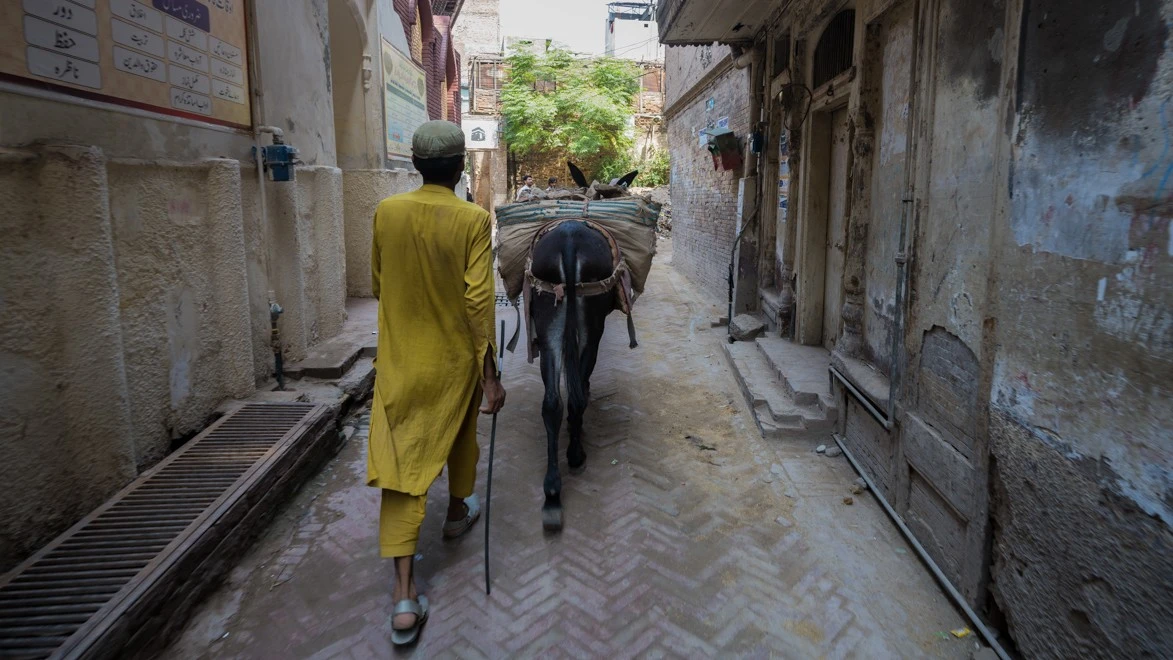
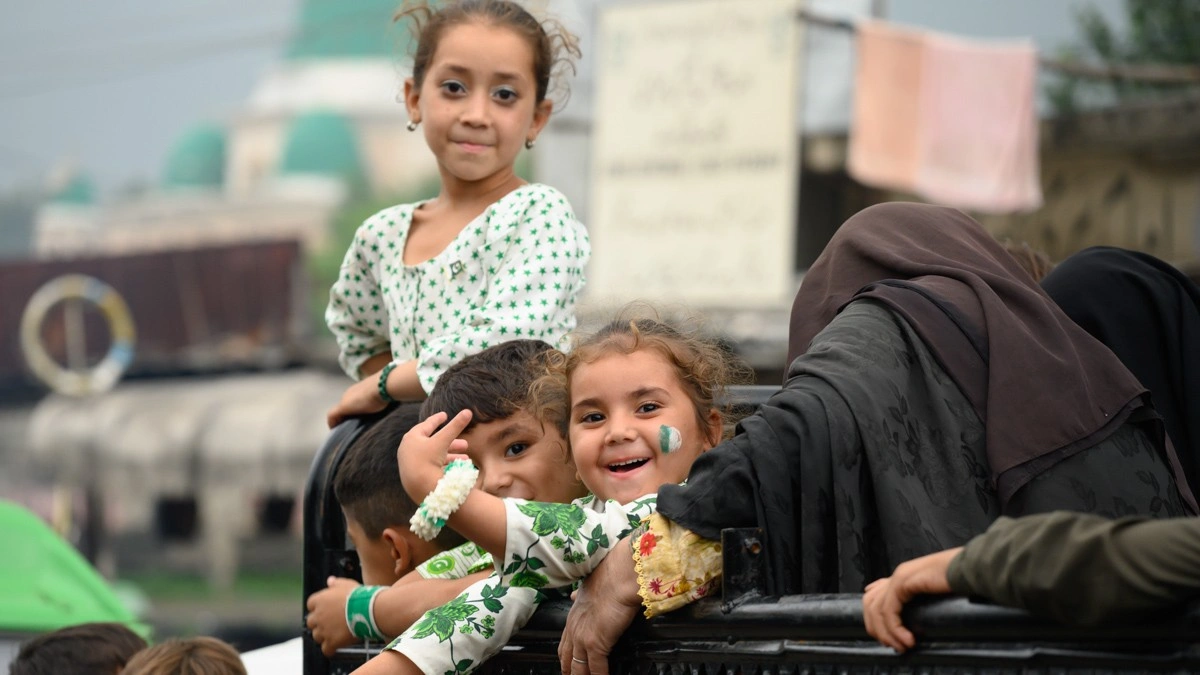
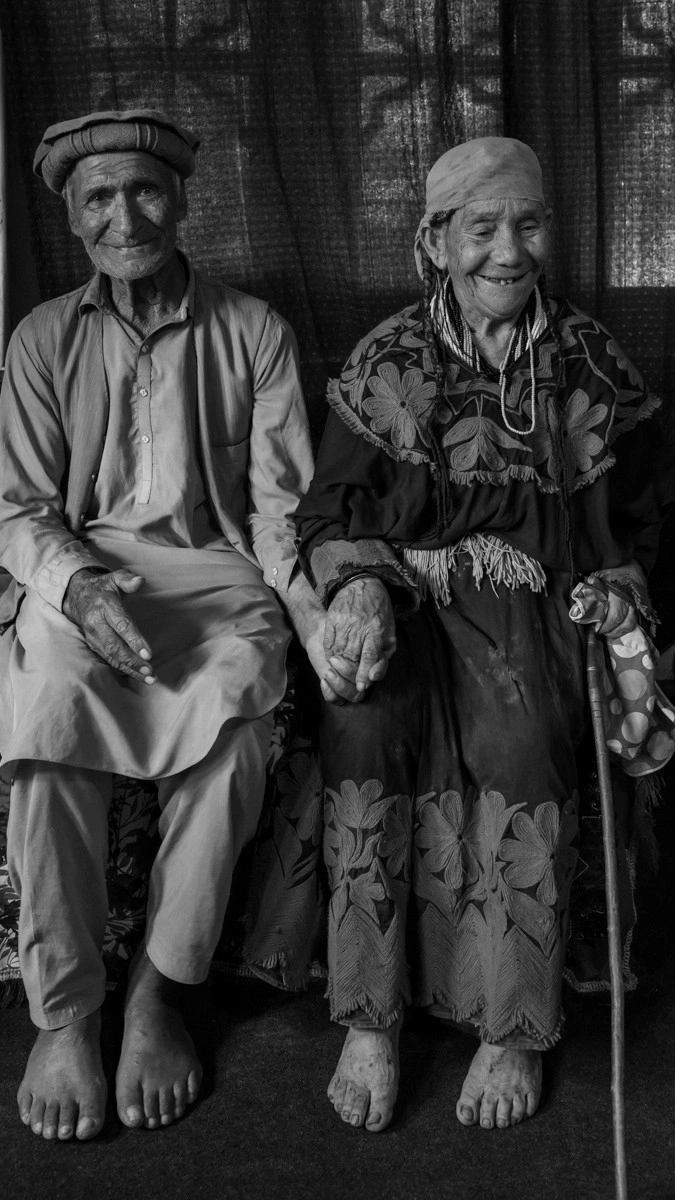
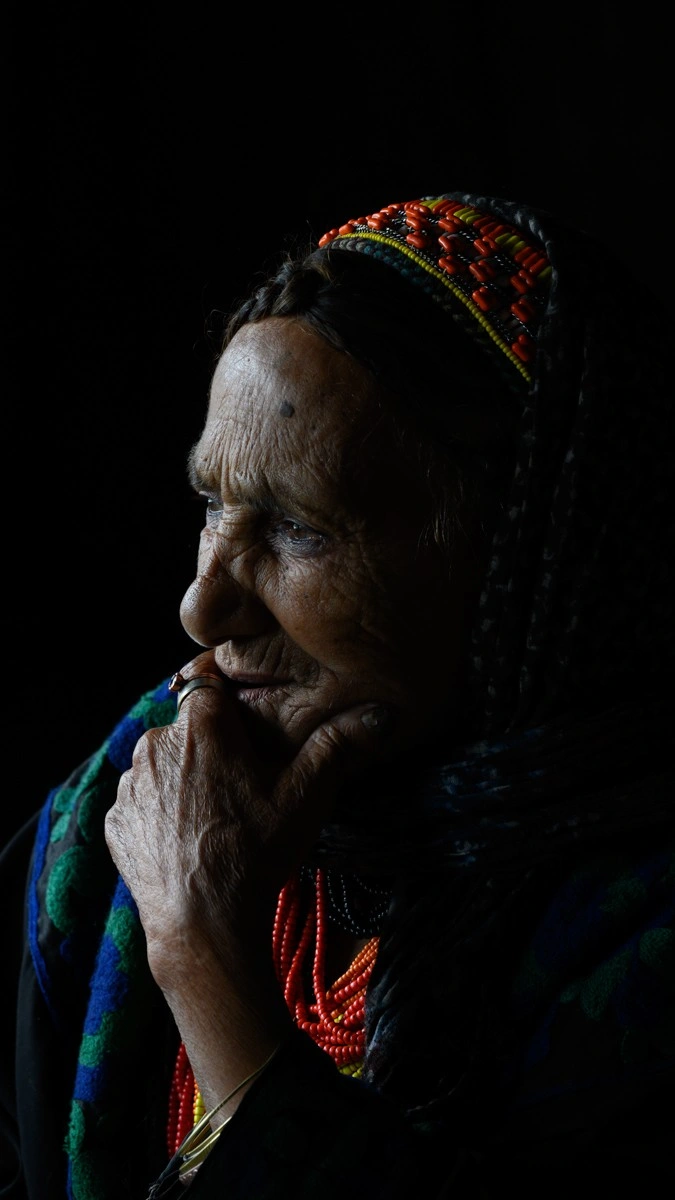
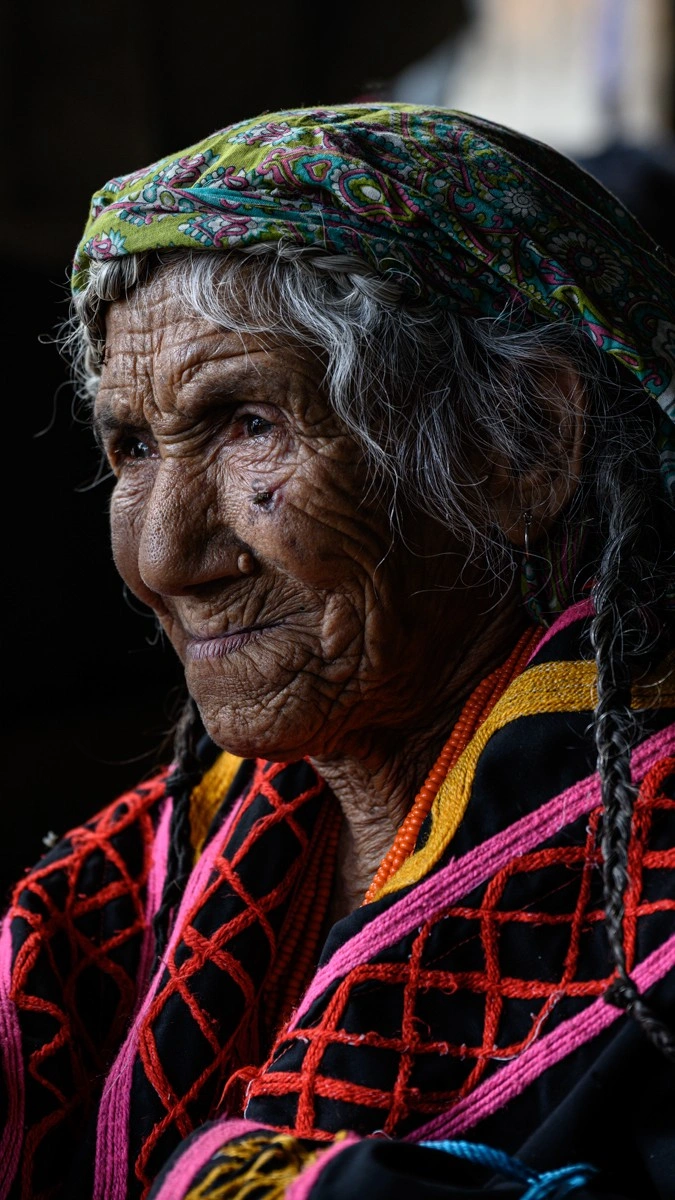
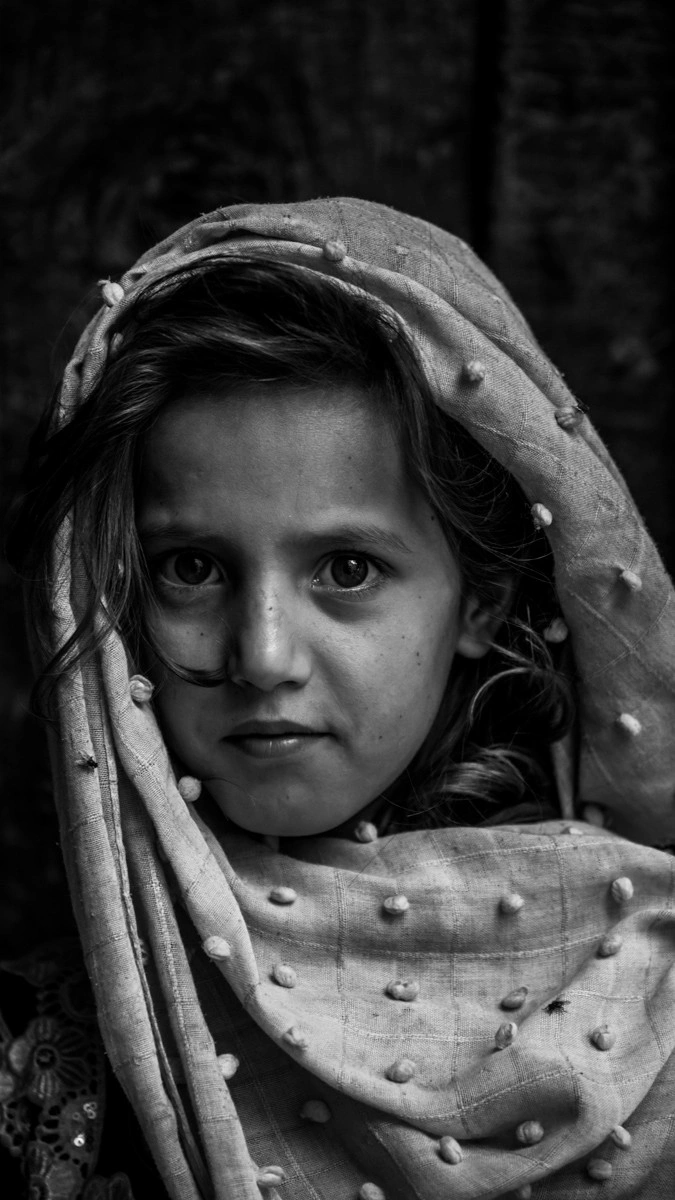
Pakistan has been one of the most rewarding travel and photography destinations I’ve experienced. During our August 2025 journey, Suki and I were welcomed by incredibly warm and hospitable people, while discovering diverse cultures, rich history, and places where life seems largely unchanged by time.
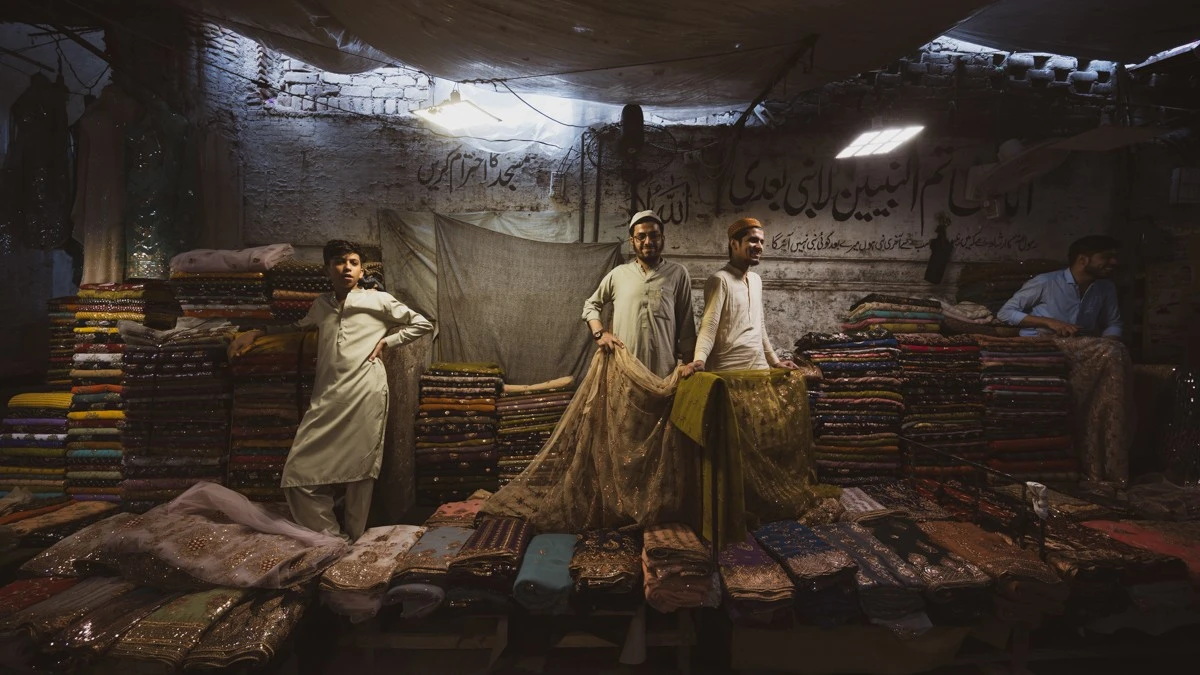
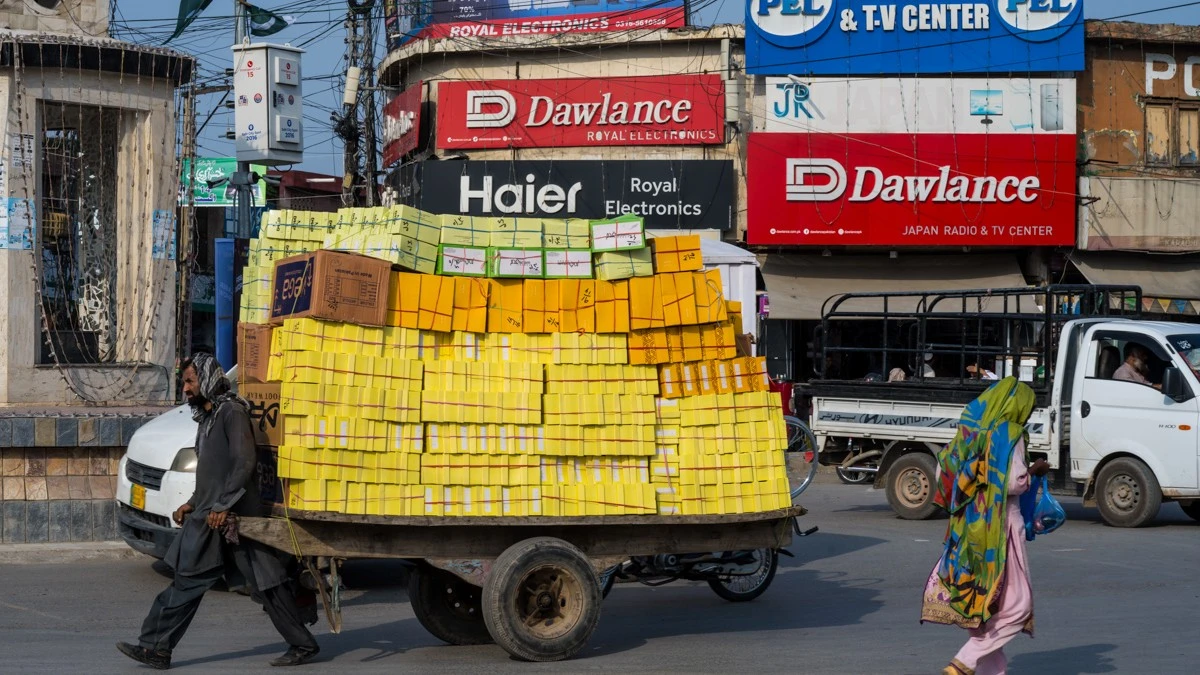
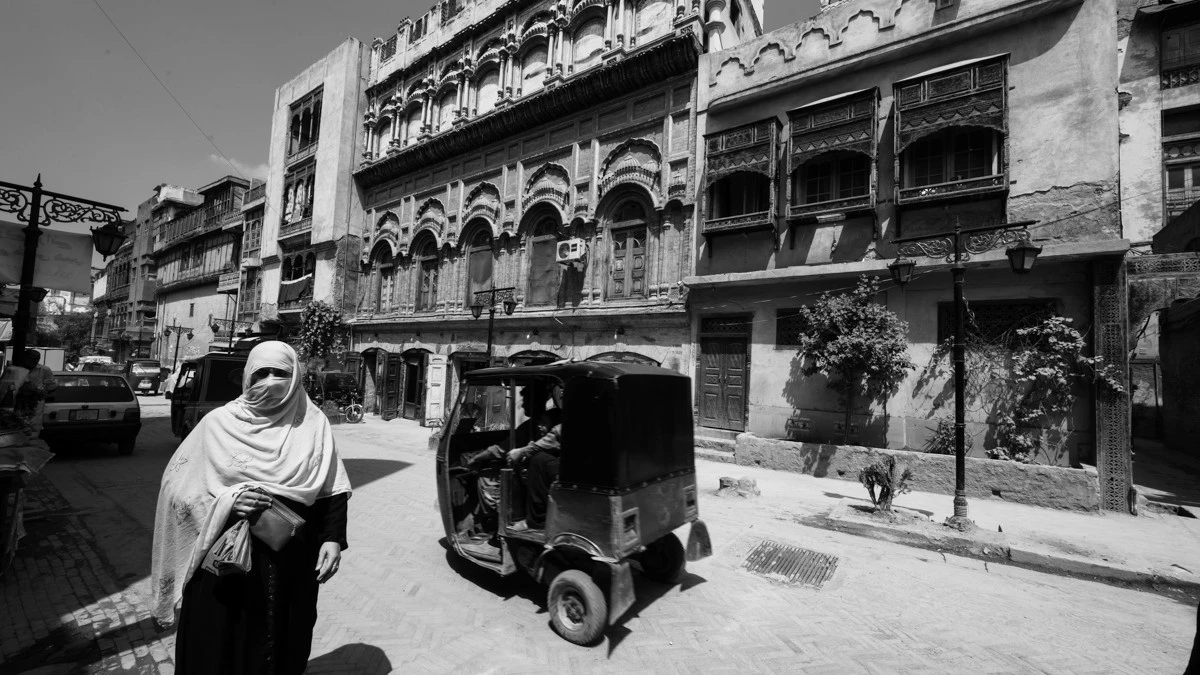
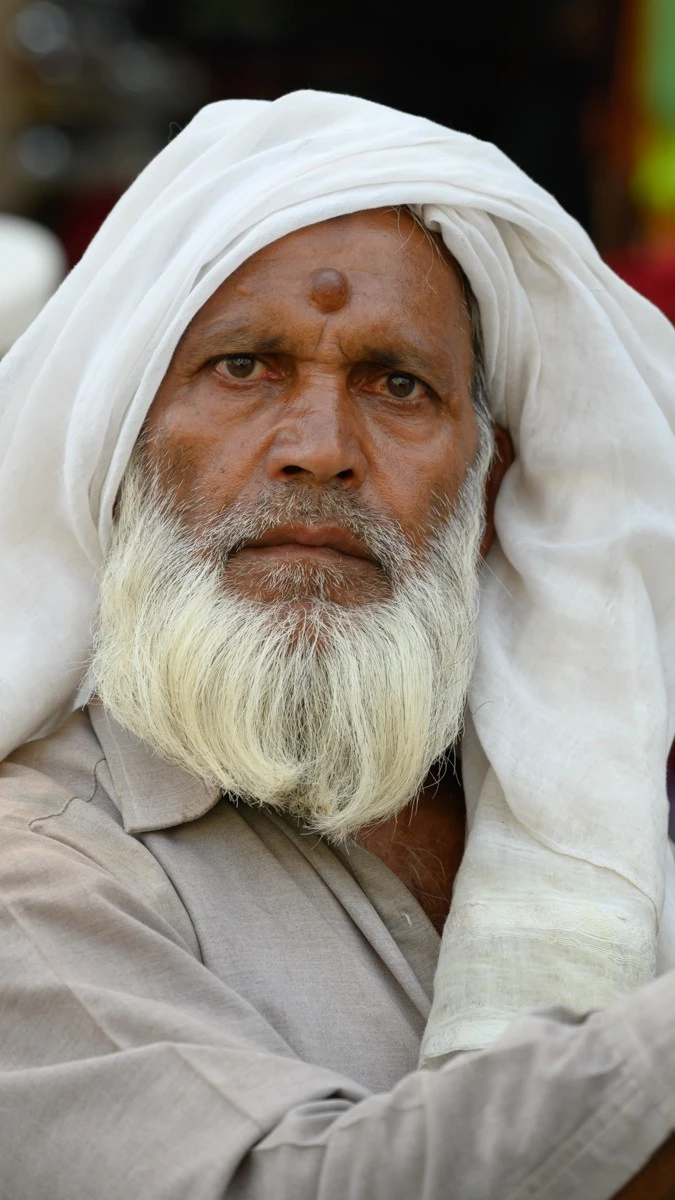
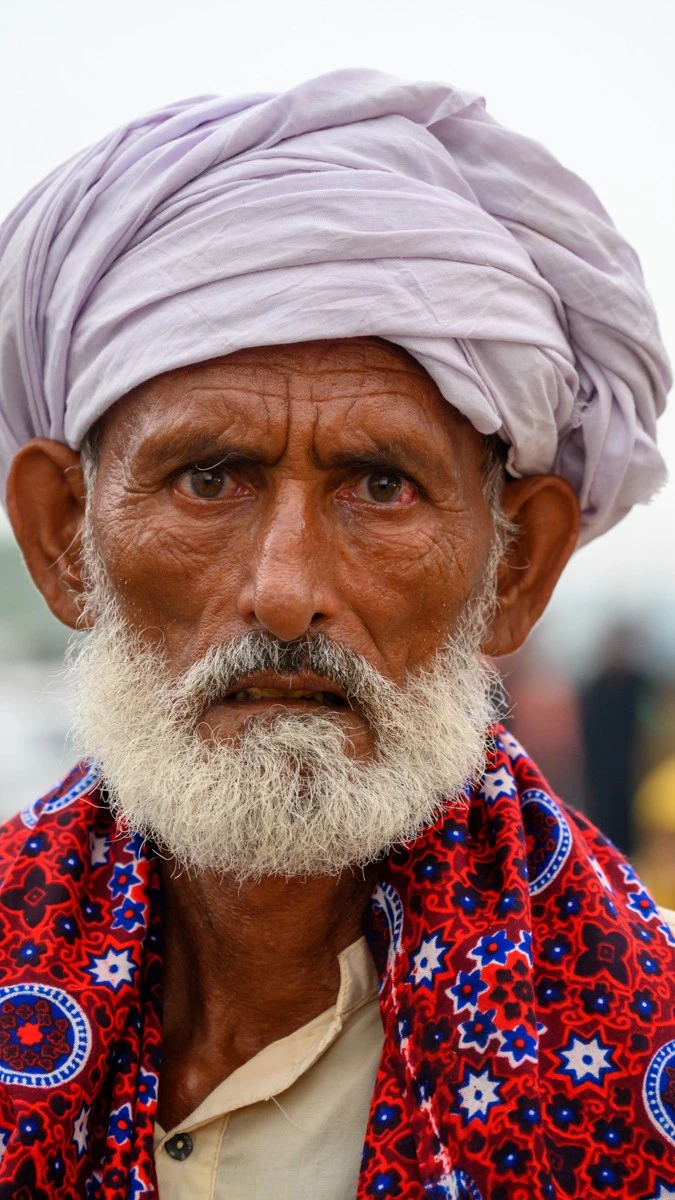
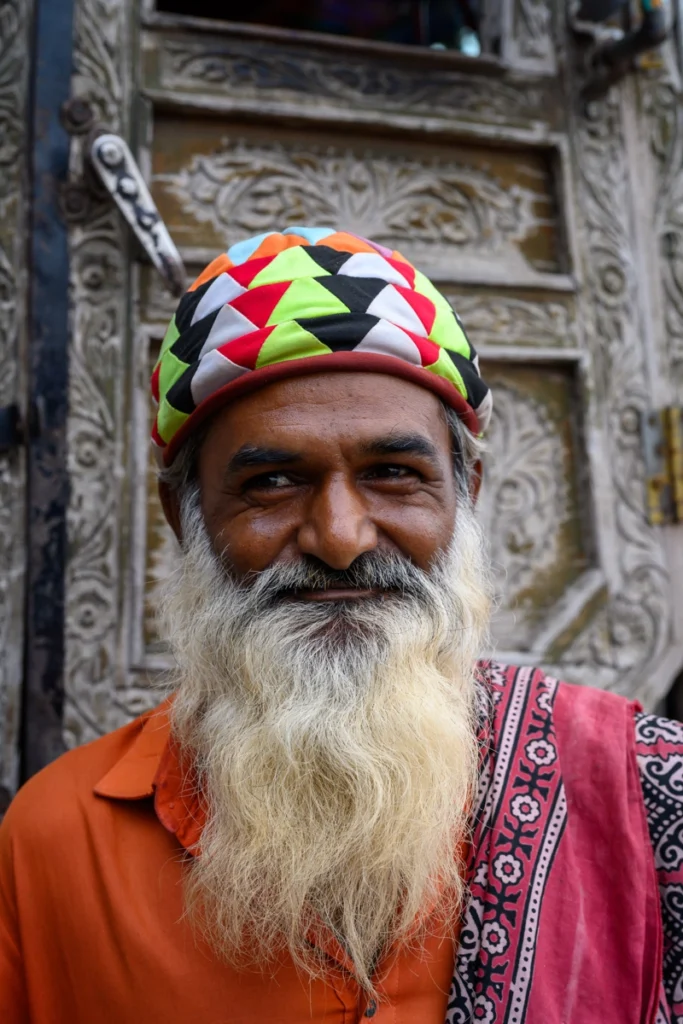
For photographers, Pakistan offers endless opportunities—from vibrant markets and traditional crafts to striking portraits, historic architecture, and authentic everyday scenes. The openness of the people makes it an exceptional destination for meaningful storytelling through photography.
This December, we’ll return to explore a different side of the country: the desert landscapes and ancient Indus heartland. We’ll visit remote communities, historic towns, cultural landmarks, and archaeological sites, creating a unique experience for travelers seeking adventure, culture, and outstanding photographic opportunities away from mainstream tourism.
Karachi to Lahore: A Journey Through the People and Cultures of the Indus
While this expedition follows the geographical path of the Indus River and explores some of South Asia’s most important historical sites, its greatest strength lies in the people you will meet along the way. From fishing communities living on the waters of Manchar Lake to Sufi devotees dancing in spiritual ecstasy, Hindu families preserving centuries-old traditions, nomadic tribes, village farmers, craftsmen, market traders, and urban storytellers, this is fundamentally a journey into the human cultures of the Indus.
For photographers, the landscapes and monuments provide magnificent settings, but it is the people of Sindh and Punjab who bring the journey to life.
Sindh: Land of the Indus and Its People
Sindh is often described as the cultural heartland of the Indus Valley. Throughout history it has absorbed influences from ancient civilizations, Persian traders, Arab scholars, Central Asian dynasties, and local tribal traditions. Yet despite these influences, Sindh retains a distinct identity characterized by tolerance, mysticism, and strong community traditions.
The people of Sindh are renowned for their hospitality, colorful dress, Sufi spirituality, and deep connection to the river.
Karachi: A Microcosm of Pakistan
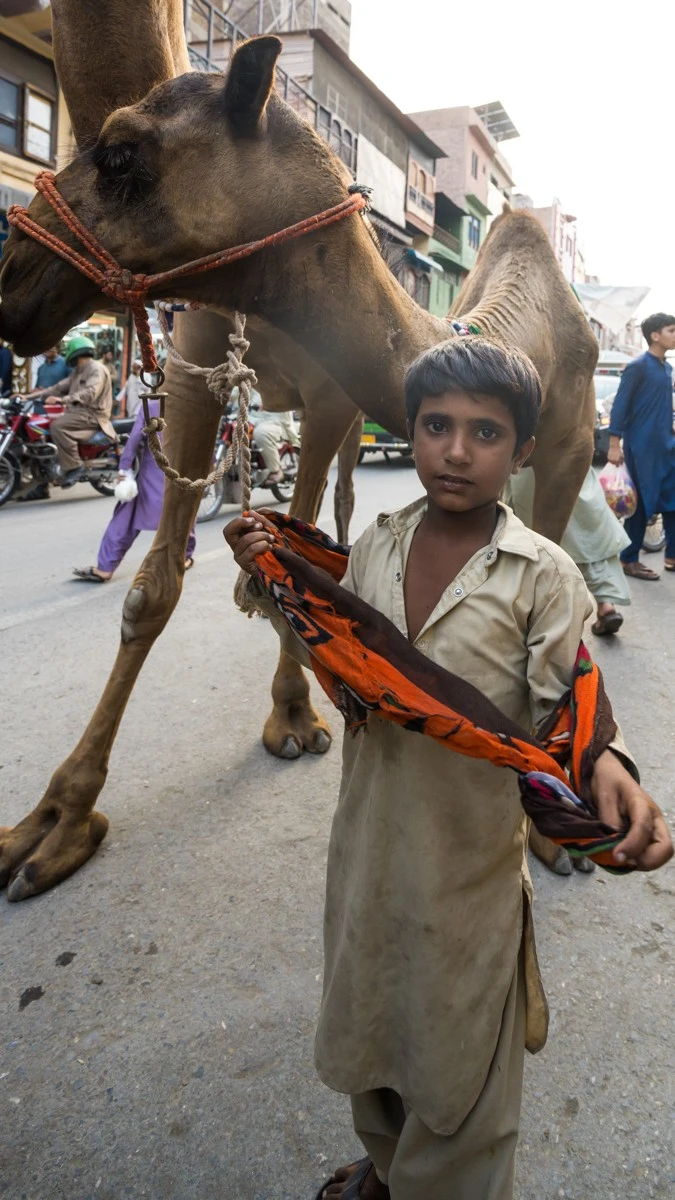
Karachi is one of the world’s most diverse cities and serves as an introduction to the ethnic mosaic of Pakistan. Here you will encounter Sindhis, Baloch, Punjabis, Pashtuns, Muhajirs, Gujaratis, and numerous religious communities.
The markets, food streets, shrines, and neighborhoods offer endless opportunities for environmental portraiture and street photography.
Photographic encounters include:
Sindh: Land of the Indus and Its People
Sindh is often described as the cultural heartland of the Indus Valley. Throughout history it has absorbed influences from ancient civilizations, Persian traders, Arab scholars, Central Asian dynasties, and local tribal traditions. Yet despite these influences, Sindh retains a distinct identity characterized by tolerance, mysticism, and strong community traditions.
The people of Sindh are renowned for their hospitality, colorful dress, Sufi spirituality, and deep connection to the river.
Karachi: A Microcosm of Pakistan
Karachi is one of the world’s most diverse cities and serves as an introduction to the ethnic mosaic of Pakistan. Here you will encounter Sindhis, Baloch, Punjabis, Pashtuns, Muhajirs, Gujaratis, and numerous religious communities.
The markets, food streets, shrines, and neighborhoods offer endless opportunities for environmental portraiture and street photography.
Photographic encounters include:
Village Sindh: Communities Along the River
As the journey leaves Karachi and moves deeper into Sindh, photography becomes increasingly intimate and community-focused.
Along the route there may be opportunities to visit rural Sindhi villages and Hindu communities where life continues much as it has for generations. These visits offer rare insights into the religious and cultural diversity that has long characterized the region.
Sindhi Hindu Communities
One of the unique aspects of rural Sindh is the presence of indigenous Hindu communities whose roots in the region predate Islam by many centuries.
These communities maintain distinctive traditions, colorful religious practices, and close-knit village lifestyles.
Photography opportunities include:
These encounters often reveal a side of Pakistan rarely seen by outsiders.
Sufi Sindh: The Culture of Devotion
Perhaps nowhere is Sindhi culture more visible than at its Sufi shrines. Throughout the journey you will visit shrines associated with some of South Asia’s most beloved saints, including Lal Shahbaz Qalandar, Sachal Sarmast, and Shah Abdul Latif Bhittai.
The shrines attract people from every social background: farmers, laborers, merchants, nomads, musicians, mystics, and pilgrims.
The Dhamal of Sehwan Sharif
The evening gathering at the shrine of Lal Shahbaz Qalandar is one of the most extraordinary cultural experiences in Pakistan.
As drums intensify, devotees perform the Dhamal—a trance-like devotional dance expressing spiritual surrender and love.
For photographers, it is a rare opportunity to document:
The Mohana: People of the Water
One of the most fascinating communities encountered during the journey is the Mohana people of Manchar Lake. Often referred to as the “Boat People of Sindh,” the Mohana have traditionally lived on the water, relying on fishing and aquatic trade networks.
Their lifestyle offers a glimpse into a way of life that may echo the river-based cultures that flourished during the Indus Civilization thousands of years ago.
Photographic opportunities include:
The Mohana represent one of the most distinctive indigenous communities of the Indus basin.
Mohenjo-Daro: Ancient Civilisation, Living Descendants
Although Mohenjo-Daro itself is an archaeological site, the surrounding countryside is populated by Sindhi villagers whose relationship with the land and river continues a cultural tradition stretching back thousands of years.
The contrast between the ruins of one of humanity’s earliest cities and the living agricultural communities nearby provides a powerful photographic narrative about continuity and change.
⸻
Upper Sindh: Tribal Traditions and Rural Life
In northern Sindh, tribal affiliations remain an important part of cultural identity.
Many communities maintain strong family networks and traditions linked to tribes that have inhabited the region for centuries.
Visits around Khairpur, Kot Diji, and Sukkur offer opportunities to meet:
These interactions reveal a slower pace of life and a deep attachment to local traditions.
Uch Sharif and Southern Punjab
As the journey enters Punjab, cultural influences begin to shift.
The language, architecture, clothing, and agricultural practices gradually change, reflecting Punjab’s distinct identity.
Yet the Sufi traditions remain strong, creating a cultural bridge between Sindh and Punjab.
In Uch Sharif and Bahawalpur you may encounter:
⸻
Multan: The Spiritual Heart of Punjab
Known as the “City of Saints,” Multan has been a center of pilgrimage for centuries.
Its shrines are living institutions where visitors can observe:
The city’s atmosphere offers exceptional opportunities for portraiture and documentary photography.
⸻
Lahore: The Human Theatre of Pakistan
Lahore provides perhaps the richest concentration of street photography opportunities anywhere in the country.
The old city is not merely a collection of historic buildings—it is a living stage populated by generations of traders, artisans, laborers, performers, and families.
Traditional Occupations
One of the most fascinating aspects of Lahore is the survival of professions that have disappeared in many parts of the world.
Photographers may encounter:
These professions provide remarkable insight into the social fabric of old Lahore.
Nomadic Communities
Visits to nomadic camps offer a chance to meet families who continue a mobile lifestyle that predates modern national boundaries.
These communities often maintain distinctive customs, clothing, social structures, and livelihoods.
For photographers, such encounters provide opportunities for respectful documentary work and environmental portraiture.
Punjabi Village Culture
The countryside around Lahore introduces visitors to another layer of Pakistan’s cultural diversity.
Village visits may include:
The transition from Sindhi river culture to Punjabi agricultural culture becomes especially visible here.
A Human Story Along the Indus
What makes this journey exceptional is not simply the monuments, forts, or archaeological sites. It is the opportunity to meet communities whose lives are connected by the Indus River and shaped by traditions stretching back centuries—or even millennia.
You will encounter:
Together they form a living cultural mosaic that reflects the extraordinary diversity of Pakistan and the enduring legacy of the Indus—a civilization that was never simply about cities and monuments, but about the people who have lived beside the river for thousands of years.
$6,750 USD per person | based on single room
$6,200 USD per person| based on shared rooms
We require a $1000 USD deposit to secure your place.
For pricing and additional details, please contact David directly on WhatsApp at +628111331255 or via email at davidmetcalf312@gmail.com.
© Copyright 2025 | David Metcalf Photography – PT Damee International | All rights reserved