09 Feb – 19 Feb 2027
Journey into one of the last great cultural frontiers of the Himalayas, where ancient traditions, sacred mountains and extraordinary human stories come together. Far from Bhutan’s familiar tourist trails, the remote eastern highlands are home to the Brokpa people, a distinctive community of semi-nomadic yak herders whose lives remain deeply connected to the mountains. Travelling through dramatic valleys, traditional villages and centuries-old Buddhist monasteries, we venture into a remarkable world of colourful woven clothing, ancestral customs and breathtaking Himalayan landscapes.
09 October – Meet in Guwahati, India
10 October 2027 — Guwahati to Samdrup Jongkhar
Driving distance: Approximately 110 km
Driving time: Approximately 3 hours
Overnight: Hotel in Samdrup Jongkhar
Altitude: 280 metres
We all meet in Guwahati in Assam, India on the 9th and then travel to Samdrup Jongkhar, Bhutan’s southeastern border town, you will be met by our representative and transferred to your hotel.
This bustling town is the largest urban centre in southeastern Bhutan and an important gateway between Bhutan and the Indian state of Assam. Its lively market and border-town atmosphere offer an interesting introduction to this less-visited part of the country.
In the evening, take an exploratory walk through the town and visit Zangtho Pelri Lhakhang. Centrally located, this three-storey temple represents the celestial abode of Guru Rinpoche.
11 October 2027 — Samdrup Jongkhar to Trashigang
Driving distance: Approximately 180 km
Driving time: Approximately 6 hours
Overnight: Hotel in Trashigang
Altitude: 1,150 metres
After breakfast, begin the journey north to Trashigang, the principal town of Eastern Bhutan. Once an important centre on the trade route to Tibet, Trashigang now stands at the junction of Bhutan’s east–west highway and the road leading south to Samdrup Jongkhar and Assam.
The town also serves as a marketplace for the semi-nomadic people of Merak and Sakteng, whose distinctive clothing and customs are unique within Bhutan.
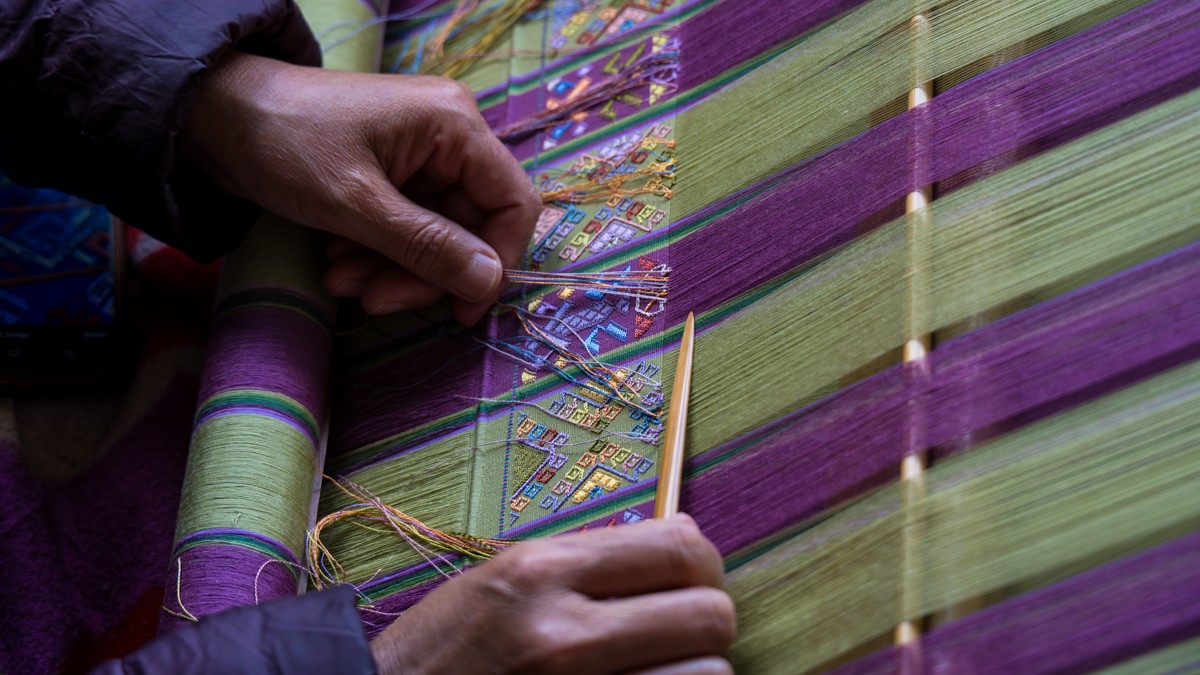
En route, stop at Khaling. In Dzongkha, kha means “bird” and ling means “valley.” This lush and fertile valley is known for its abundant birdlife and beautiful natural surroundings. Khaling is also home to Jigme Sherubling Higher Secondary School, established in 1978, and may provide an opportunity to observe traditional Bhutanese textile weaving.
Continue through Kanglung, home to Sherubtse College, one of the best-known academic institutions within the Royal University of Bhutan.
In the evening, explore Trashigang town and its local market.
12 October 2027 — Excursion to Trashiyangtse
Overnight: Hotel in Trashigang
Altitude: 1,150 metres
After breakfast, depart on a full-day excursion to Trashiyangtse. Situated in a picturesque river valley, this rapidly growing town is the administrative centre of Trashiyangtse District and is surrounded by attractive countryside.
Visit Chorten Kora, a striking white stupa located beside the river below the town. Constructed in 1740 by Lama Ngawang Loday, it was built in a style similar to Nepal’s Boudhanath Stupa, with painted eyes facing the four cardinal directions. The stupa is the setting for the annual Chorten Kora festival, held during the second month of the lunar calendar.
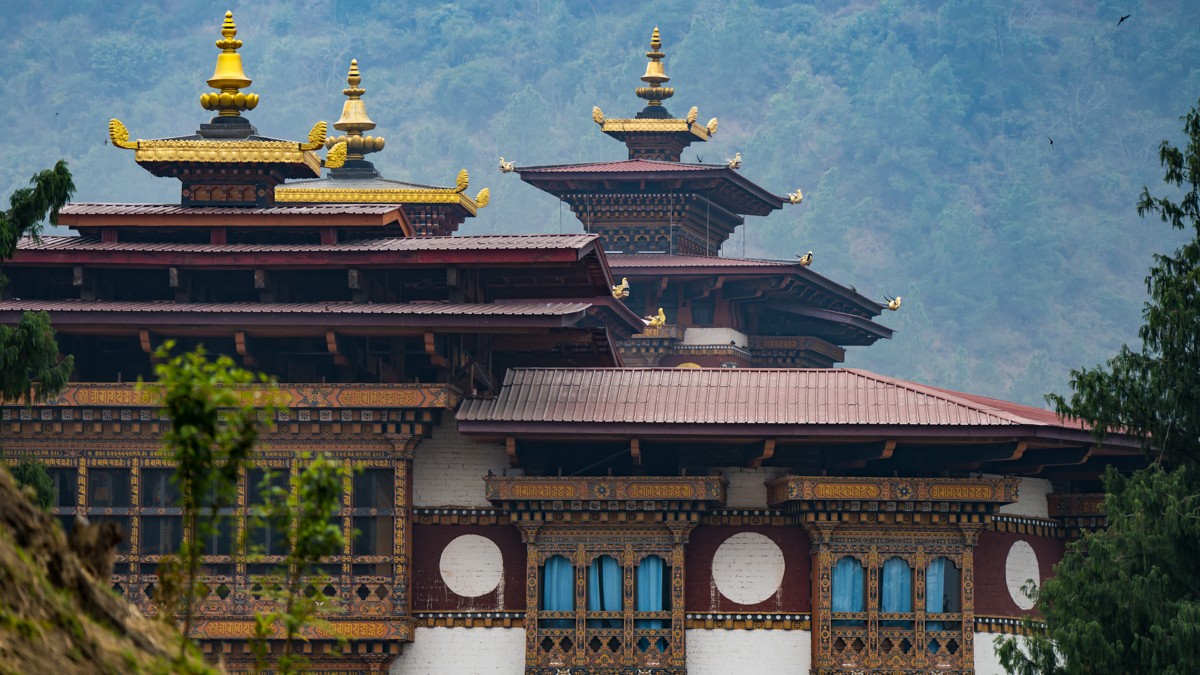
After a picnic lunch, visit Trashiyangtse Dzong, whose name means “Fortress of Auspicious Fortune.” The dzong was rebuilt in 1656 on the ruins of the ninth-century Dongdi Dzong. It was later renovated and reconsecrated in 2005.
Return to Trashigang in the evening.
13 October 2027 — Trashigang to Merak
Driving distance: Approximately 55 km
Driving time: Approximately 3½ hours
Overnight: Village homestay in Merak
Altitude: 3,500 metres
After breakfast, visit Trashigang Dzong. Built in 1659, the dzong serves as both the district’s administrative centre and the home of its monastic community. Its commanding position offers impressive views across the surrounding countryside.
Following an early lunch in Trashigang, begin the journey to the remote village of Merak.
A drive of approximately 45 minutes brings you to the small town of Rangjung. From here, continue uphill through terraced rice fields to Radhi.
Radhi is celebrated for its fertile rice fields and accomplished weavers. Often called the “Rice Bowl of the East,” its fields supply grain to communities throughout Eastern Bhutan. In addition to farming, many of Radhi’s approximately 200 households produce fine raw-silk textiles known as bura. These authentic, high-quality textiles are woven on traditional backstrap looms using time-honoured techniques and dyes.
Beyond Radhi, the journey continues along an unpaved road towards Chaling village and the high meadows of Shaktimi, where yaks and sheep graze among scattered herders’ huts.
Climb to Mendula Pass at 3,345 metres before descending through rhododendron forest and the meadows surrounding the Donmong Chu River at approximately 3,145 metres. The farm road then ascends gradually through forests and mountain scrub to Gangu village at 3,430 metres. From Gangu, it is a further 15-minute drive to Merak, situated at an altitude of 3,500 metres.
14 October 2027 — Exploring Merak
Overnight: Village homestay in Merak
Altitude: 3,500 metres
Merak—whose name is said to mean “set on fire”—lies in one of the most isolated and culturally distinctive valleys of Eastern Bhutan.
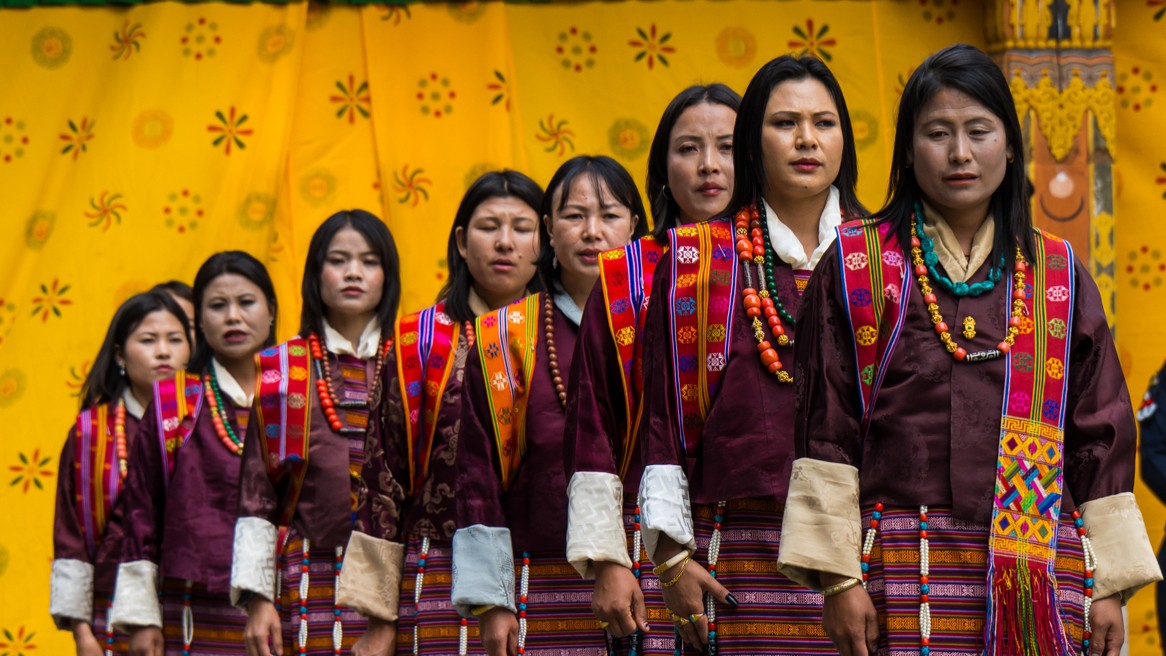
The village is home to the Brokpa people, a semi-nomadic community traditionally associated with yak herding. The Brokpas trace their origins to Tshona in southern Tibet and have lived in Bhutan for centuries. They remain culturally distinct from neighbouring communities and are immediately recognisable by their unique traditional dress.
Barter continues to play a role in Brokpa life. During winter, community members traditionally travel to Phongmey, Radhi and Trashigang to exchange chora—a type of fermented cheese—along with butter and dried meat for salt, tea and grain. Most families in the valley own livestock.
Spend the day exploring Merak and photographing village life. Depending on local activities, visits may include family homes, the village school, farms, yak-herding areas and traditional weaving demonstrations.
15 October 2027 — Jomo Kunkhar Festival
Walking time: Approximately 4 hours or more, round trip
Overnight: Village homestay in Merak
Altitude: 3,500 metres
After an early breakfast, begin an approximately two-hour trek to attend the Jomo Kunkhar Festival.
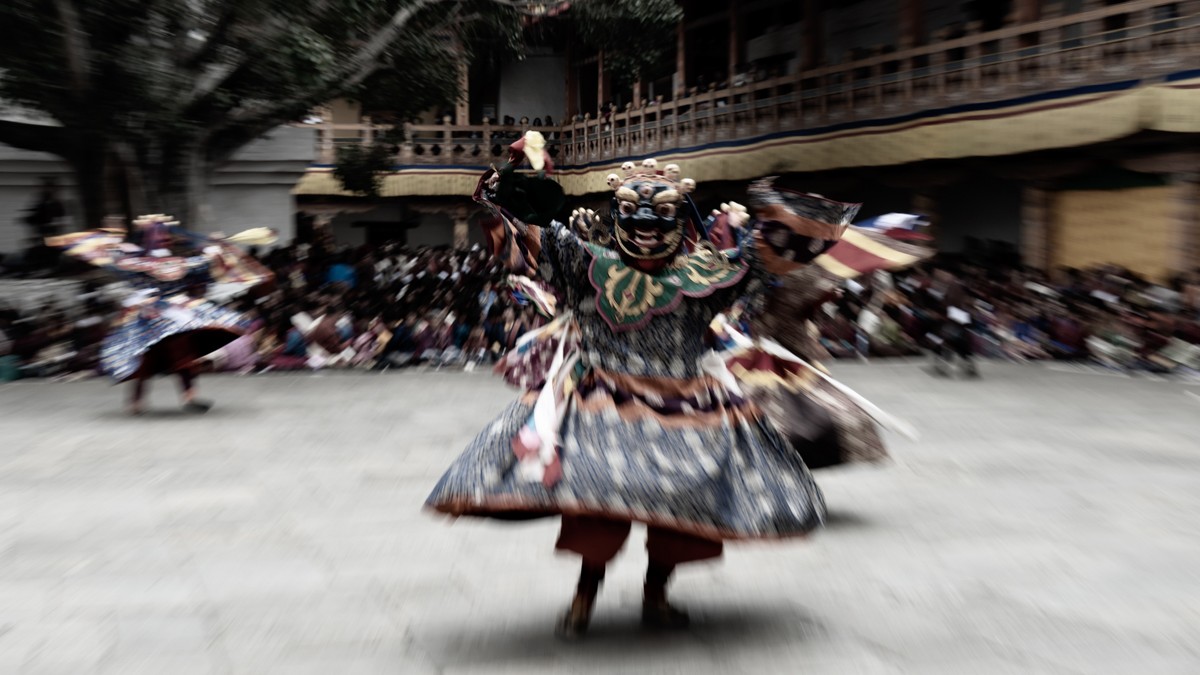
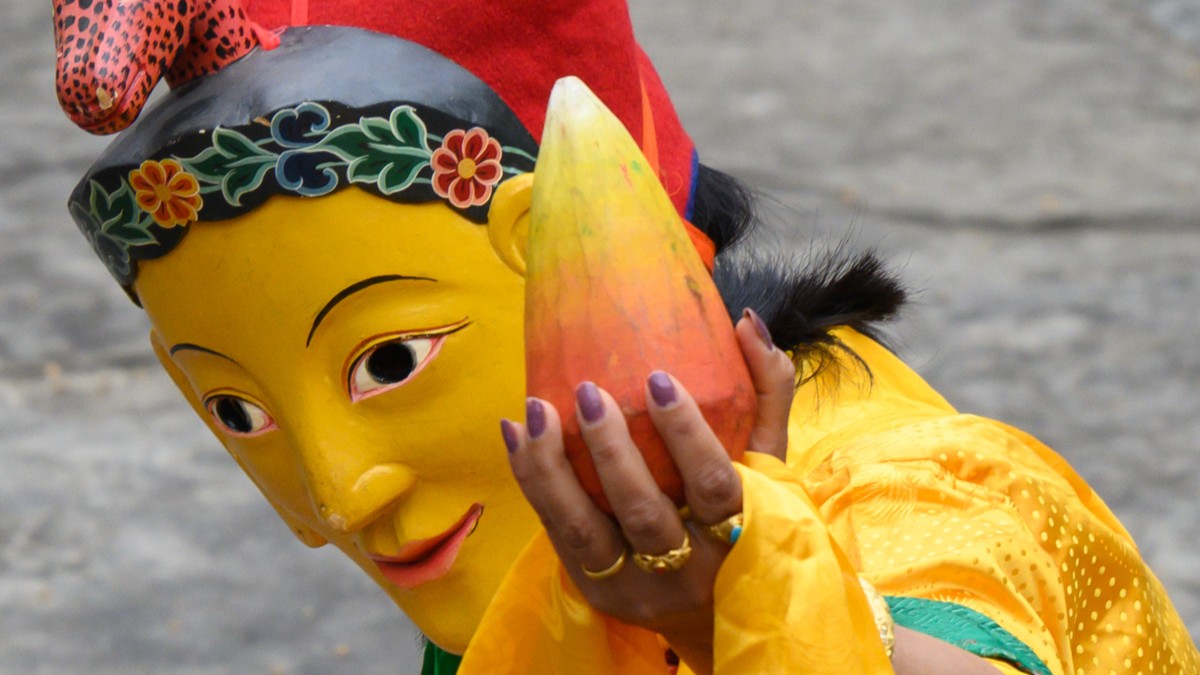
Also known as Jomkora or the Aum Jomo Ritual, this highly sacred annual community festival and pilgrimage takes place in the remote highlands of Merak. The celebration is deeply connected to the history, spiritual beliefs and cultural identity of the semi-nomadic Brokpa people.
The two-day festival honours Ama Jomo, or Aum Jomo, the supreme protective deity and legendary matriarch of the region. According to Brokpa oral tradition, Ama Jomo led her people across the Himalayas from Tibet during the 13th century, helping them escape a tyrannical ruler and establish a new home in Bhutan.
Ama Jomo is believed to reside on the majestic Jomo Kunkhar Mountain, also known as Jomo Phodrang, which forms the spiritual and physical focus of the celebration.
The festival offers exceptional opportunities to experience and photograph Brokpa dress, ritual, devotion and community life in a spectacular mountain setting.
Return to Merak on foot later in the afternoon.
Important fitness note: Participants must be physically fit and comfortable walking for at least four hours at high altitude. The terrain and total walking time may vary according to local conditions.
16 October 2027 — Merak
Overnight: Village homestay in Merak
Altitude: 3,500 metres
Spend another day in and around Merak, allowing time for further cultural encounters and photography.
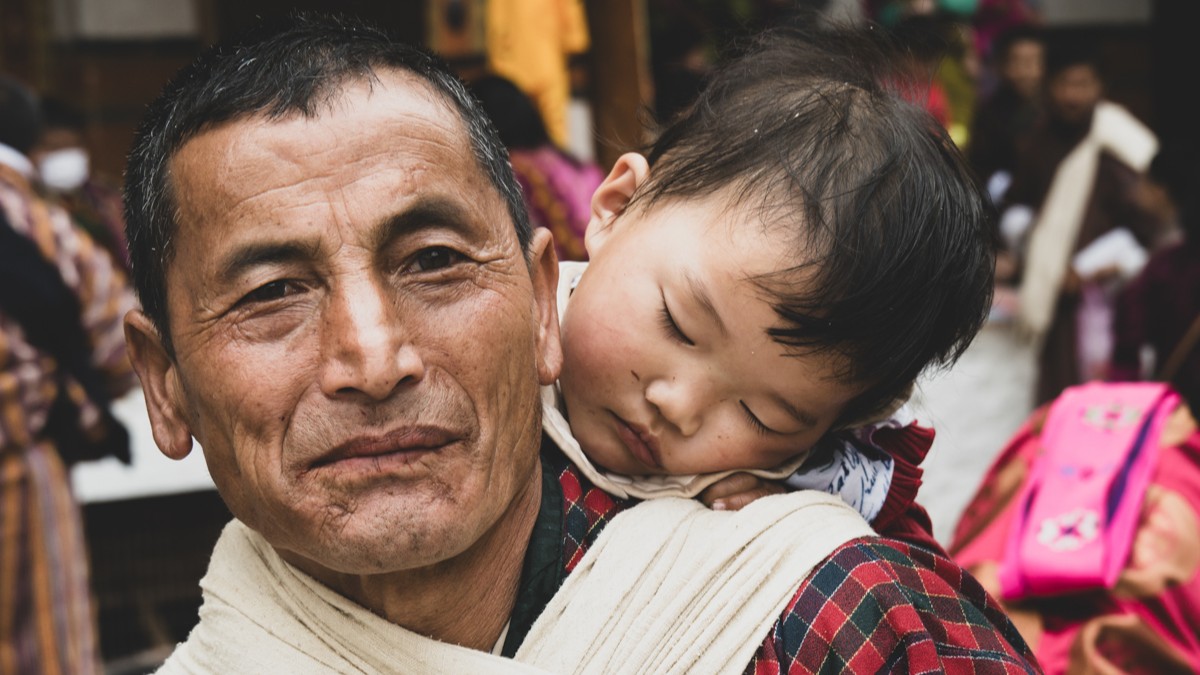
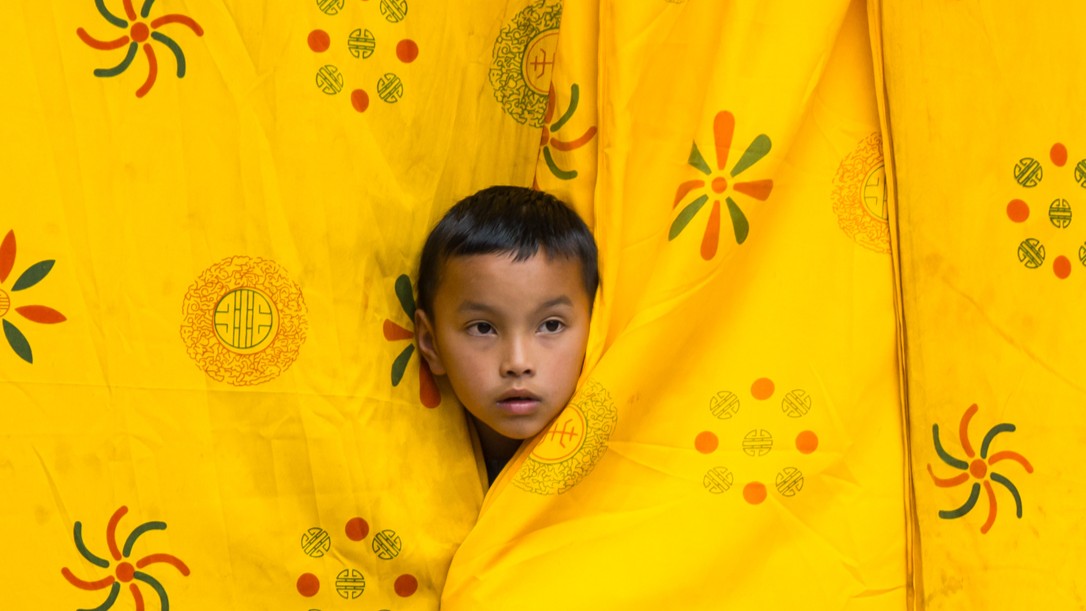
The flexible program provides opportunities to revisit village locations in different light, meet local families and document the rhythms of everyday life. Depending on local conditions and activities, photographic subjects may include portraiture, traditional clothing, domestic life, farming, livestock, architecture and the surrounding highland landscape.
17 October 2027 — Merak to Rangjung
Driving distance: Approximately 30 km
Driving time: Approximately 1½ hours
Overnight: Guesthouse in Rangjung
Altitude: 1,150 metres
After a leisurely breakfast, leave Merak and travel along the recently constructed farm road towards Rangjung.
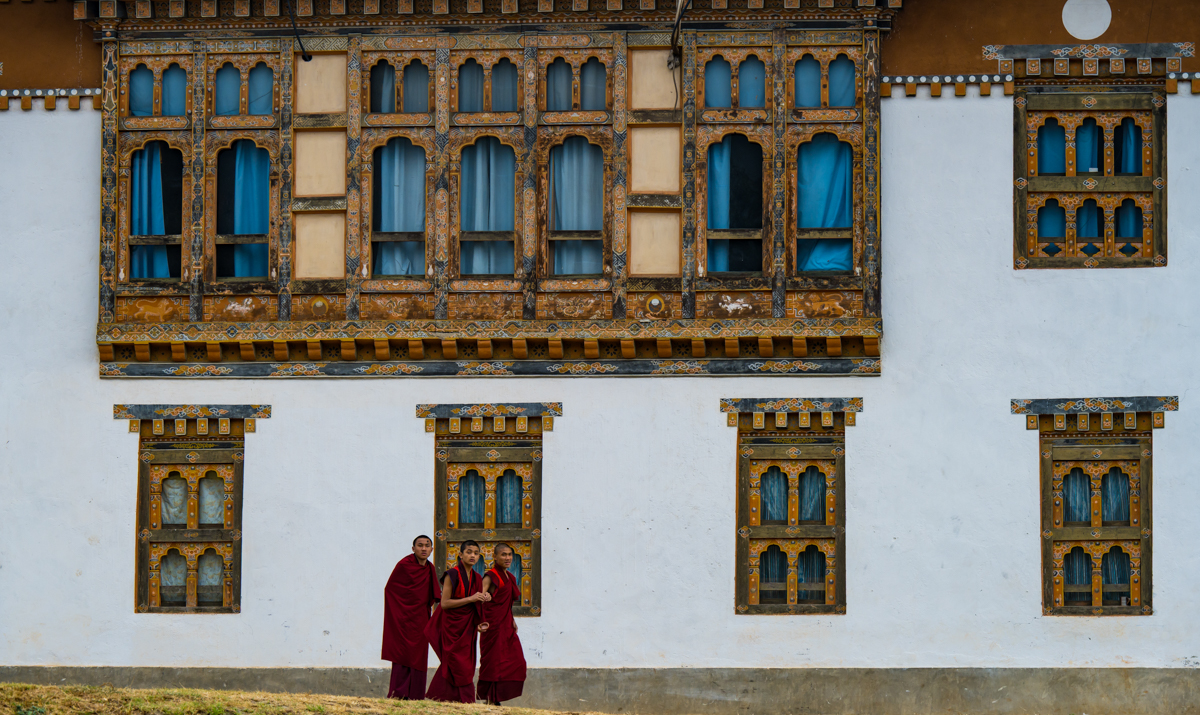
After lunch, visit Rangjung Woesel Chhoeling Monastery, a centre of the Dudjom New Treasure Lineage founded by His Eminence Garab Rinpoche.
Rangjung lies at the base of a deep valley surrounded by chir pine forest. The monastery provides a peaceful environment for the study and practice of the Buddhist teachings as presented within the Dudjom New Treasure tradition. It supports a flourishing religious community and maintains affiliated monasteries and retreat centres.
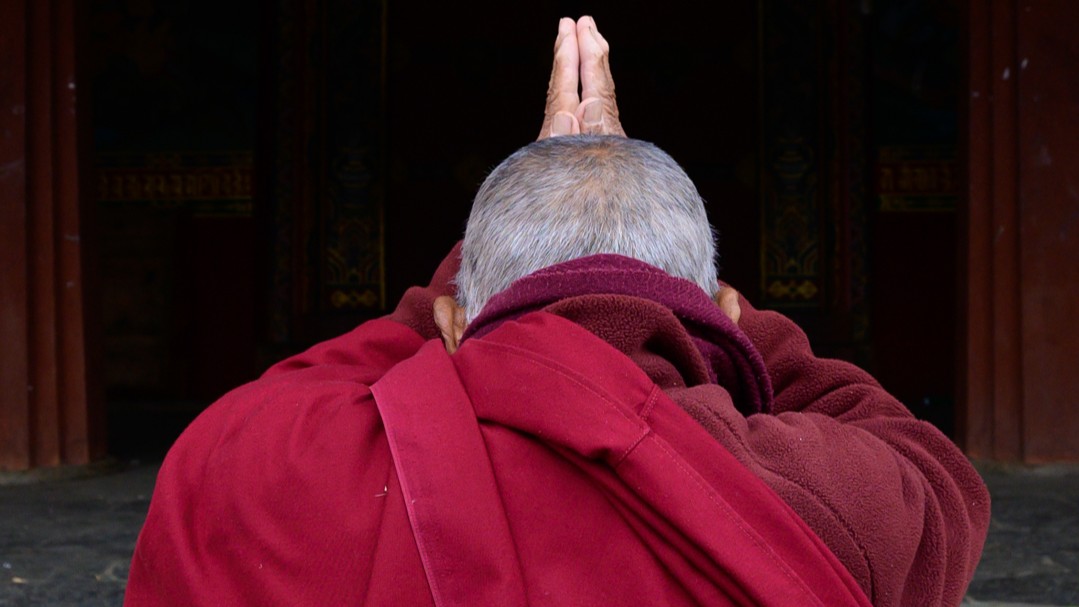
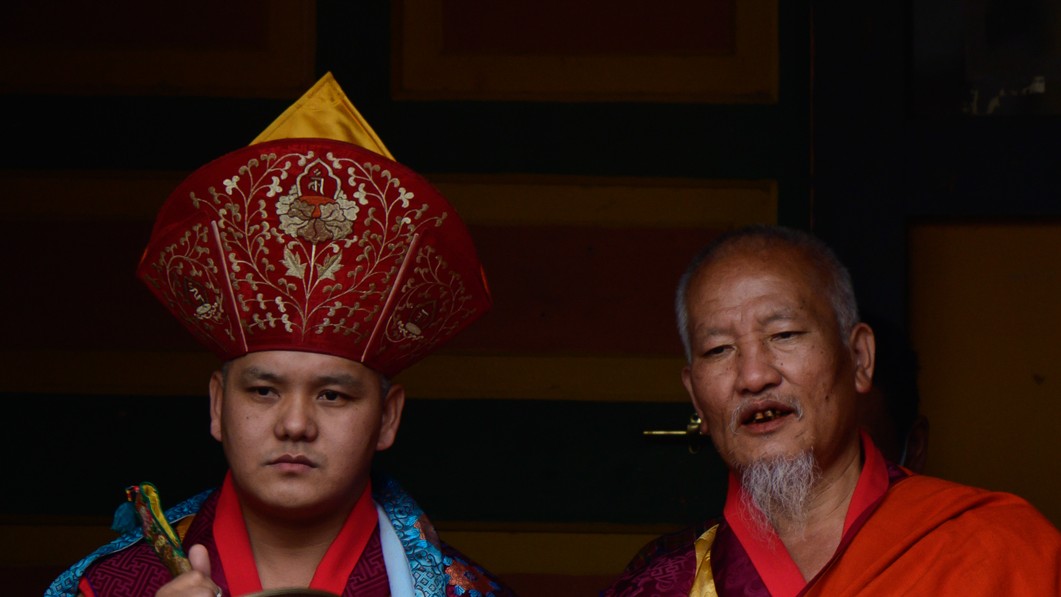
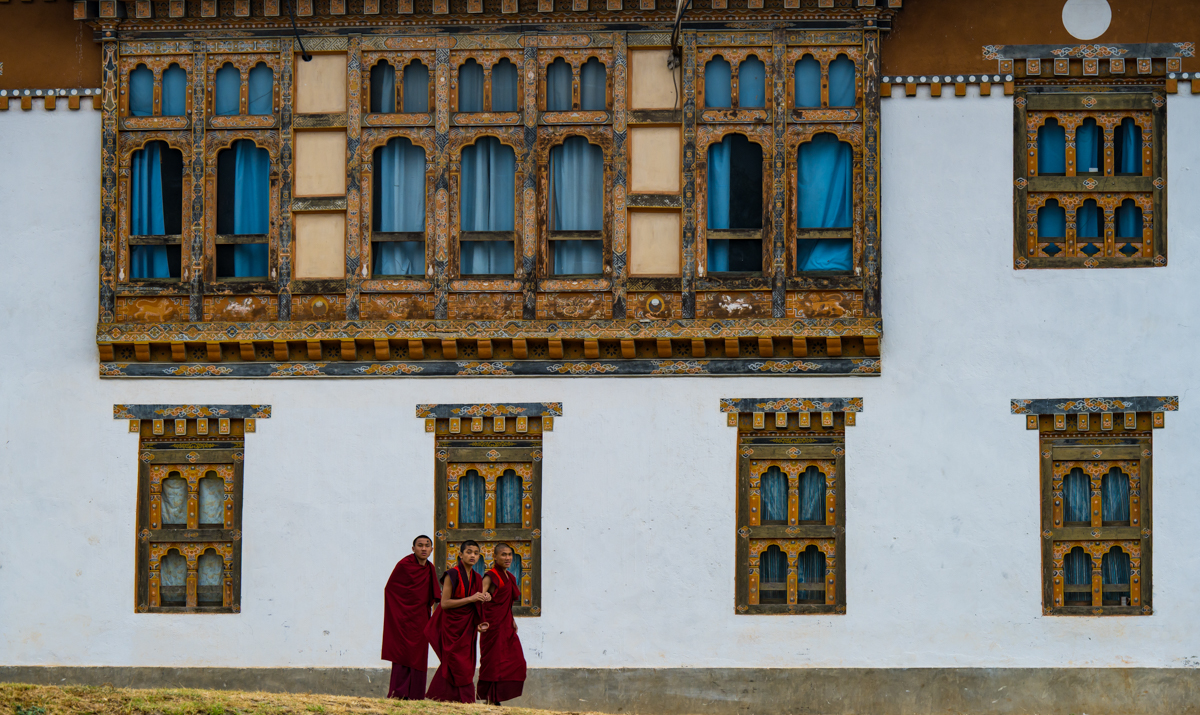
During the visit, there may be an opportunity to meet members of the monastic community and learn more about Buddhism and daily monastic life.
18 October 2027 — Rangjung to Samdrup Jongkhar
Driving distance: Approximately 196 km
Driving time: Approximately 6½ hours
Overnight: Hotel in Samdrup Jongkhar
After an early breakfast, begin the return journey to Samdrup Jongkhar on the Bhutan–India border.
On arrival, check into the hotel and enjoy the remainder of the day at leisure.
19 October 2027 — Depart Samdrup Jongkhar
After breakfast, meet the Guwahati representative in Samdrup Jongkhar and continue across the border for your onward journey.
At the heart of this photographic journey is the sacred Jomo Kunghar Festival, an intimate highland pilgrimage honouring Ama Jomo, the revered protector deity and legendary ancestral figure of the Brokpa people. Surrounded by towering mountains, local families gather to celebrate their spiritual heritage and enduring cultural identity. With four nights in the remote village of Merak, we have the rare opportunity to immerse ourselves in everyday Brokpa life, meet local families, photograph traditional clothing and crafts, and witness a community whose extraordinary traditions have been passed down through generations.
This is far more than a conventional photography tour. It is a journey of cultural discovery, meaningful human encounters and exceptional photographic opportunities in one of Bhutan’s least-visited regions. From intimate portraits and village life to sacred Buddhist traditions and magnificent mountain scenery, every day offers the chance to create powerful images and lasting connections. Travelling in a small group, with time to explore and engage respectfully with the people we meet, we invite you to experience an extraordinary side of Bhutan that few international travellers have the privilege of seeing.
For pricing and additional details, please contact David directly on WhatsApp at +628111331255 or via email at davidmetcalf312@gmail.com.
Please note a $ 1500 USD deposit is required to secure your place. This is non refundable unless the tour does not take place, in which case it is fully refundable
© Copyright 2025 | David Metcalf Photography – PT Damee International | All rights reserved